

























Çeciir: Discover the Delightful Tradition of Turkish Roasted Chickpeas and Their Cultural Significance

Introduction
Traditional snacks often tell a story about culture, history, and everyday life. In Turkey, many foods that once filled local markets and homes are slowly being replaced by modern packaged snacks. One such traditional treat is çeciir, a simple yet flavorful snack made from roasted chickpeas. Although chickpeas have long been part of Mediterranean and Middle Eastern diets, many people outside Turkey are still unfamiliar with this crunchy and nutritious delicacy.
However, interest in traditional and healthy foods has started to grow again. Çeciir is now gaining attention as a natural snack that combines rich flavor with nutritional benefits. Prepared using simple roasting techniques, it offers protein, fiber, and satisfying crunch without artificial ingredients or heavy processing.
For readers interested in discovering global snack traditions, Turkish cuisine, or healthier alternatives to common snack foods, learning about çeciir opens the door to a fascinating culinary story. From its origins to its modern popularity, this article explores everything worth knowing about this beloved roasted chickpea snack.
What Is Çeciir?
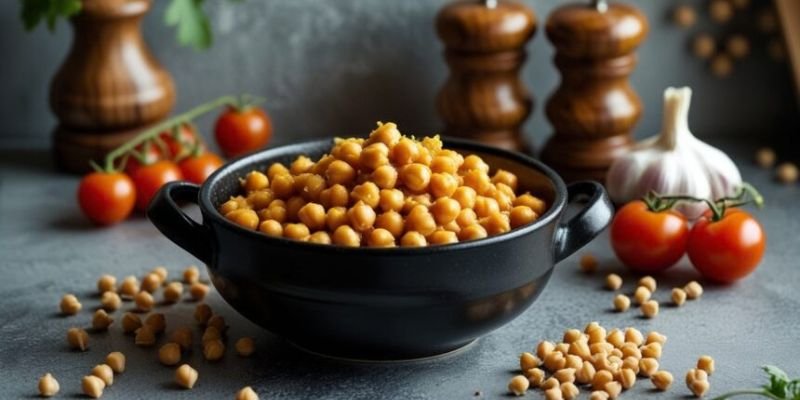
Çeciir is a traditional Turkish snack made from roasted chickpeas that are carefully prepared until they develop a crunchy texture and rich nutty flavor. Chickpeas, known scientifically as Cicer arietinum, have been cultivated in the Mediterranean and Middle Eastern regions for thousands of years. In Turkey, roasting these legumes created a convenient and long-lasting snack that could be enjoyed at any time of the day.
The process of making çeciir usually involves soaking chickpeas, drying them, and roasting them slowly to achieve the perfect crispiness. Sometimes mild seasonings such as salt or spices are added to enhance the taste. Unlike many modern snack foods, çeciir relies on natural ingredients and traditional preparation methods.
Because of its simplicity and satisfying crunch, çeciir has remained a favorite snack among many Turkish families. It is often eaten on its own, shared during social gatherings, or enjoyed as a healthy alternative to processed snacks.
The Historical Origins of Çeciir in Turkish Culture
The history of roasted chickpea snacks in Turkey goes back centuries, with roots connected to the Ottoman culinary tradition. Chickpeas were widely cultivated across Anatolia because they grow well in dry climates and provide excellent nutrition. Over time, roasting chickpeas became a practical way to preserve them and create a tasty snack that could be easily stored.
In traditional Turkish towns and cities, roasted chickpeas were commonly sold by street vendors and local market stalls. People would purchase small bags of crunchy chickpeas to enjoy during walks, gatherings, or casual conversations with friends. These snacks became part of everyday social life.
Çeciir also reflects the creativity of traditional cooking methods. Instead of relying on complex recipes, cooks used simple ingredients and roasting techniques to transform chickpeas into something flavorful and satisfying. This tradition has been passed down through generations and remains an important part of Turkish food heritage.
How Çeciir Is Traditionally Made
The preparation of çeciir involves a careful process designed to produce the ideal balance of flavor and texture. Traditional methods begin with selecting high-quality dried chickpeas. These chickpeas are soaked in water for several hours or overnight to soften them and prepare them for roasting.
After soaking, the chickpeas are drained and allowed to dry thoroughly. Once dried, they are roasted slowly using large pans or ovens. In older methods, clay ovens or metal roasting drums were commonly used to ensure even heating and consistent texture.
During roasting, the chickpeas are stirred frequently to prevent burning and to achieve uniform crispiness. The process may take several hours depending on the technique used. The result is a crunchy snack with a rich, nutty taste that captures the essence of traditional Turkish cuisine. This careful preparation is what gives çeciir its distinctive texture and flavor.
Nutritional Benefits of Çeciir
One of the reasons çeciir continues to attract attention today is its impressive nutritional profile. Chickpeas are naturally rich in plant-based protein, dietary fiber, and essential vitamins and minerals. These nutrients help support digestion, energy levels, and overall health.
Compared with many popular snack foods such as chips or sugary treats, roasted chickpeas offer a healthier alternative. They contain significantly less unhealthy fat and provide long-lasting energy thanks to their combination of protein and complex carbohydrates. This makes çeciir a satisfying snack that helps prevent sudden hunger.
Chickpeas also contain nutrients like iron, magnesium, and folate, which contribute to healthy body functions. For individuals who follow vegetarian or plant-based diets, çeciir can be an excellent source of protein. Its natural ingredients and balanced nutrition make it appealing to anyone looking for wholesome snack options.
The Role of Çeciir in Turkish Daily Life
In Turkey, food is closely connected to social life and cultural traditions. Çeciir has long been a snack that people enjoy during casual moments, family gatherings, and community events. Because it is easy to carry and store, it became a convenient snack for both travelers and local residents.
Many Turkish households enjoy roasted chickpeas during tea time, which is an important daily ritual. Sharing snacks while drinking tea allows people to relax and connect with friends and family. Çeciir fits perfectly into this setting because it is simple, crunchy, and satisfying.
Street markets and neighborhood shops also played an important role in spreading the popularity of this snack. Vendors often sold roasted chickpeas alongside nuts and seeds, creating a variety of traditional snack choices. Through these everyday experiences, çeciir became deeply embedded in Turkish food culture.
Regional Variations of Çeciir Across Turkey
Although the basic concept of roasted chickpeas remains the same, different regions in Turkey have developed their own variations of this snack. These variations may involve differences in roasting techniques, seasoning choices, or the type of chickpeas used.
In some regions, roasted chickpeas are lightly salted to highlight their natural flavor. Other areas may use spices such as paprika or cumin to add a mild kick of flavor. These small adjustments allow each region to create its own unique interpretation of çeciir.
Local roasting traditions also influence the final texture. Some producers prefer a softer crunch, while others roast chickpeas longer to achieve a firmer and crispier bite. These regional differences contribute to the diversity of Turkish snack culture and show how a simple ingredient can produce many delicious results.
Modern Ways People Enjoy Çeciir
While çeciir remains a traditional snack, modern consumers have started to enjoy it in new and creative ways. Health-conscious individuals often choose roasted chickpeas as a nutritious alternative to processed snacks because they provide protein, fiber, and satisfying crunch.
Today, roasted chickpeas are frequently added to snack mixes that include nuts, seeds, and dried fruits. This combination creates a balanced snack that offers both flavor and nutrition. Some people also sprinkle roasted chickpeas over salads or grain bowls to add texture and extra protein.
Food enthusiasts around the world have also begun experimenting with new seasonings and flavors. From garlic and herbs to spicy chili blends, modern variations of roasted chickpeas continue to expand. Despite these creative twists, the traditional concept of çeciir remains at the heart of this snack’s growing popularity.
How to Make Çeciir at Home
Preparing roasted chickpeas at home is a simple process that allows people to enjoy the flavor of çeciir using basic ingredients. The first step involves soaking dried chickpeas overnight in water to soften them. After soaking, they should be drained and thoroughly dried to ensure proper roasting.
Once the chickpeas are dry, they can be spread on a baking tray and roasted in an oven at moderate heat. Stirring them occasionally helps ensure even roasting and prevents burning. The roasting process usually takes about thirty to forty minutes depending on the desired level of crispiness.
After roasting, the chickpeas can be lightly seasoned with salt or preferred spices. Allowing them to cool completely helps develop the crunchy texture that makes roasted chickpeas so enjoyable. Homemade çeciir provides a fresh and customizable snack option for anyone interested in healthy and traditional foods.
Çeciir Compared to Other Roasted Chickpea Snacks
Roasted chickpeas are enjoyed in many regions of the world, but each culture prepares them slightly differently. In Mediterranean and Middle Eastern cuisines, chickpeas are commonly used in dishes such as hummus and falafel. However, the concept of roasting them as a crunchy snack has developed unique regional styles.
Çeciir stands out because of its traditional Turkish preparation methods and long history in local markets. While some countries season roasted chickpeas with bold spices, Turkish versions often highlight the natural nutty flavor of the chickpeas themselves.
Another difference is the roasting technique. Turkish roasting traditions focus on slow, careful preparation to create a balanced texture. This approach gives çeciir a distinctive crunch that separates it from other roasted chickpea snacks. These subtle differences help define its identity within global snack culture.
Why Çeciir Is Becoming Popular Worldwide
In recent years, global interest in healthy and traditional foods has increased significantly. Consumers are searching for snacks that offer both nutrition and authentic cultural origins. Çeciir fits perfectly into this trend because it combines natural ingredients with centuries-old culinary tradition.
Plant-based diets and high-protein snacks have also become more popular. Chickpeas provide an excellent source of plant protein and fiber, making roasted chickpeas appealing to health-conscious consumers. As a result, many food brands have begun introducing packaged roasted chickpea snacks inspired by traditional recipes.
Social media and food blogs have also helped spread awareness about Turkish cuisine and its unique snacks. As more people discover the taste and benefits of roasted chickpeas, çeciir continues to gain recognition around the world as a simple yet delicious snack.
Frequently Asked Questions About Çeciir
What is çeciir made from?
Çeciir is made from chickpeas that are soaked, dried, and roasted until they become crunchy. Sometimes mild seasonings such as salt or spices are added for extra flavor.
Is çeciir a healthy snack?
Yes, çeciir is considered a healthy snack because chickpeas contain protein, fiber, vitamins, and minerals. It provides long-lasting energy and is generally lower in unhealthy fats than many processed snacks.
Is çeciir the same as roasted chickpeas?
Çeciir refers specifically to the Turkish style of roasted chickpeas. While other cultures also roast chickpeas, the Turkish method has its own traditional preparation techniques and cultural background.
Can roasted chickpeas be made at home?
Yes, roasted chickpeas can easily be prepared at home using soaked chickpeas, an oven, and basic seasoning. Homemade versions allow people to control the flavor and level of crispiness.
Why are chickpeas popular in Mediterranean cuisine?
Chickpeas grow well in Mediterranean climates and provide excellent nutrition. Their versatility allows them to be used in many dishes, including soups, salads, spreads, and roasted snacks like çeciir.